Was This a Baba Home? The Two Stories of Pinang Peranakan Mansion
At Pinang Peranakan Mansion, the building's original owner and the Baba household recreated inside are not the same story. Knowing the difference makes this George Town visit far more interesting.
The useful surprise before you walk in
The museum operator describes Pinang Peranakan Mansion as a recreated wealthy Baba home, but says the man who built the house, Chung Keng Kwee, was not a Baba. That is the useful starting point: a visitor is encountering both a historic building and a later presentation of domestic culture. If you remember only one question during the visit, make it this: am I learning about the original owner, or about the way a Baba household is being represented?
One address, two different questions
Begin with the building. The operator identifies it as Hai Kee Chan, Chung Keng Kwee's residence and office. Then change the question when you look at a furnished room: what does this display explain about home life? A museum can bring objects together to tell a cultural story without every object having belonged to the person who commissioned the house. Avoid turning an attractive room into an invented family anecdote. Where a label does not establish an object's provenance, leave that part open and ask the museum team.
Let the materials complicate the picture
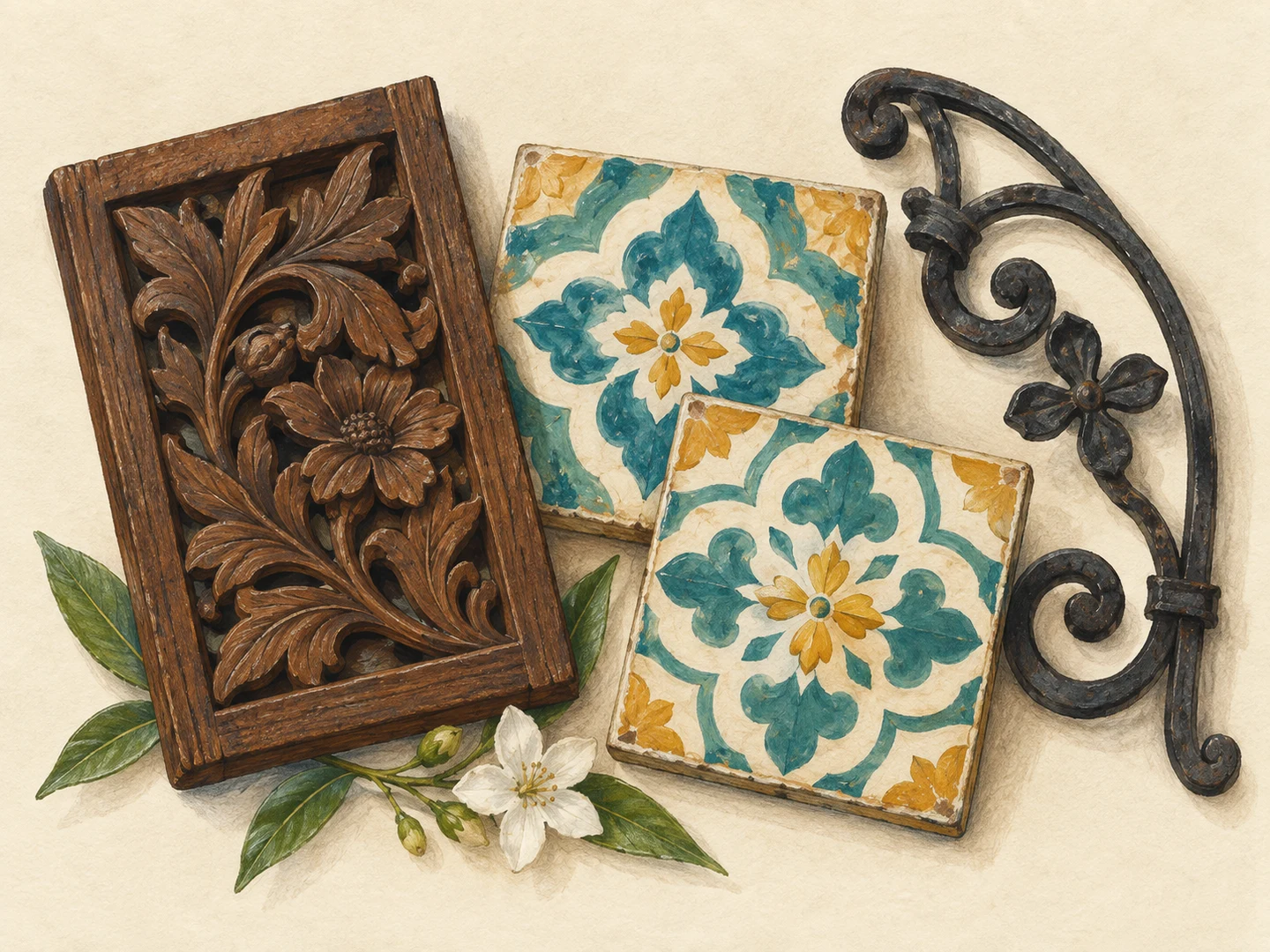
The operator points to Chinese carved-wood panels, English floor tiles and Scottish ironwork. Rather than treating these as a spot-the-object challenge, use them to rethink the idea of one house having one pure style. What would you notice first if the room were unfurnished: the carved surface, the pattern underfoot, or the iron structure? Look, then return to the room as a whole. The interest is in the combination, not in assigning a nationality or a date to every unlabelled detail.
Look at relationships, not just individual antiques
Pick one display and consider how its parts relate. Does its arrangement suggest gathering, receiving visitors, eating or displaying prized belongings? Those are questions to test against the museum's interpretation, not facts to assume from appearance. Read the label before deciding that an object was used in a particular ceremony. This approach gives a companion something to discuss beyond 'which corner photographs best' and gives children a simple role: choose one object and find out what the label actually tells us.
A house museum or a clanhouse? Choose the story you want
If your interest is the domestic world being recreated, this mansion makes a focused visit. If you are more curious about a clan community's shared building, our Khoo Kongsi article explores that different setting. You do not need to compress both into a checklist to have a worthwhile George Town day. Choose one main question, leave room to pause, and treat a second cultural stop as an option rather than an obligation.
Before going: check access, and ask before photographing
The mansion is at 29 Church Street, George Town. Confirm current admission, opening times and any guided arrangements with the operator; published visitor information is not a promise that every room or display is accessible on your date. The museum sets photography and filming conditions, including permission for commercial use. Check those conditions before raising a camera. Do not touch exhibits, and do not treat an open display as a prop. For anyone who needs step-free access or seating, ask about the actual route through the building in advance.
Three quick questions
Was Chung Keng Kwee a Baba? The museum says no. Are all displayed belongings necessarily his? Do not assume that: the house and the recreated household presentation have different histories. Is this a first-hand review of today's exhibits? No. This guide is based on the museum's account and Penang tourism material, checked on 5 October 2026; it suggests ways to look without inventing a personal visit or claiming that displays never change.
Keep the transport arrangement separate from the museum ticket
For a Singapore–Penang journey, send the real pickup and drop-off addresses, dates, passenger and luggage details, and whether you need a return trip. Ask for the vehicle fit and quote for that itinerary, with any agreed stop or waiting arrangement made explicit. Border and road conditions can change arrival time, so do not build the visit around an unconfirmed admission deadline. Museum entry and any guide are separate arrangements; a transport enquiry does not reserve them.
Sources checked 5 October 2026
More ideas for Penang
Plan the journey around your Penang visit
Send your journey details for a transport quote; museum admission and guiding are separate arrangements.
Ask about Penang transport